China Justice Observer

中司观察

EnglishArabicChinese (Simplified)DutchFrenchGermanHindiItalianJapaneseKoreanPortugueseRussianSpanishSwedishHebrewIndonesianVietnameseThaiTurkishMalay

China to Support New Offshore International Trade

Thu, 23 Dec 2021
Categories: China Legal Trends

On 11 Nov. 2021, the People’s Bank of China issued the proposed “Notice Regarding Matters Concerning the Support for the Development of New Offshore International Trader (Draft for Public Comment)” (hereinafter “the Notice”, 关于支持新型离岸国际贸易发展有关问题的通知(征求意见稿)) for public opinions through 26 Nov. 2021.

The Notice claims that the new type of offshore international trade shall have the characteristics that “goods in such transactions do not enter or leave China’s first-line customs territory or will not be counted in the customs statistics”, including but limited to offshore resale, global procurement, entrusted offshore processing, and purchase of foreign goods form the contractor.

Additionally, the Notice instructs banks to conduct due diligence on such transactions and to support new offshore international trade based on the innovative development of the real economy and for the purpose of enhancing the integrity of the industrial supply chain.


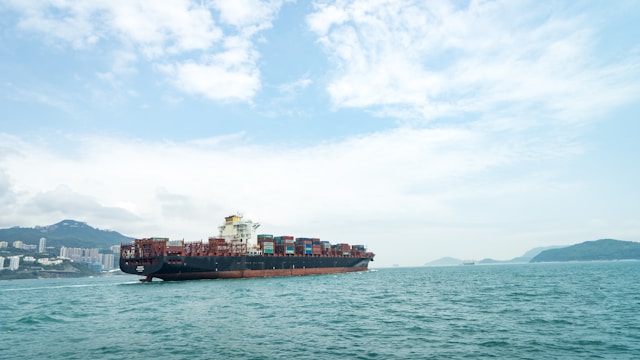
Cover Photo by Jerry Zhang on Unsplash

Contributors: CJO Staff Contributors Team

Save as PDF

You might also like

IOMed Settles First Case, Resolving China-Singapore Maritime Dispute

The newly established International Organization for Mediation (IOMed) has successfully resolved its inaugural case—a maritime charter dispute between Chinese and Singaporean parties—marking a major milestone for the world’s first government-backed global mediation body.

China Overhauls Arbitration Law for Global Alignment

Having entered into force on March 1, 2026, China’s first comprehensive revision of its 1995 Arbitration Law has introduced ad hoc arbitration, strengthened interim relief, and aligned the legal framework more closely with international standards.

Chinese Judgments Go Global: Emerging Systemic Challenges and Confidence Deficit

This post analyzes the historic rise in cross-border judgment enforcement involving China, specifically focusing on the persistent challenges hindering the recognition of Chinese judgments abroad. It identifies two primary obstacles—emerging legal hurdles regarding systemic due process and a "confidence deficit" among Chinese creditors—and argues that addressing these is essential to sustaining the framework of mutual recognition.